| Method |
Safeguarding Action |
Advantages |
May interfere |
|
| Photoelectric |
Machine will not start cycling when the light field is interrupted
When the light field is broken by any part of the operator's body during the cycling
process, immediate machine braking is activated |
Can allow freer movement for operator.
Simplicity of use
Used by multiple operators
Provide passerby protection
No adjustment required |
Does not protect against mechanical failure
Limited to machines that can be stopped |
|
| Radiofrequency (optical) |
Machine cycling will not start when the capacitance field is interrupted
When the capacitance field is disturbed by any part of the operator's body during the cycling process,
immediate machine braking is activated |
Can allow freer movement for operator. |
Does not protect against mechanical failure
Antennae sensitivity must be properly adjusted; this adjustment must be maintained properly
Limited to machines that can be stopped |
|
| Electromechanical |
Contact bar or probe travels a predetermined distance between the operator and the danger area.
Interruption of this movement prevents the starting of machine cycle. |
Can allow access at the point of operation |
Contact bar or probe must be properly adjusted for each
application; this adjustment must be maintained properly |
|
| Pullback |
As the machine begins to cycle, the operator's hands are pulled out of the danger area |
Eliminates the need for auxiliary barriers or other interference at the danger area |
Limits movement of operator May obstruct work space around operator |
|
| Restraint (holdback) |
Prevents the operator from reaching into the danger area |
Little risk of mechanical failure |
Adjustments must be made for specific operations and for each individual
Requires frequent inspections and regular maintenance
Requires close supervision of the operators's use of the equipment
Limits movement of operator
May obstruct work space
Adjustments must be made for specific operations and each individual |
|
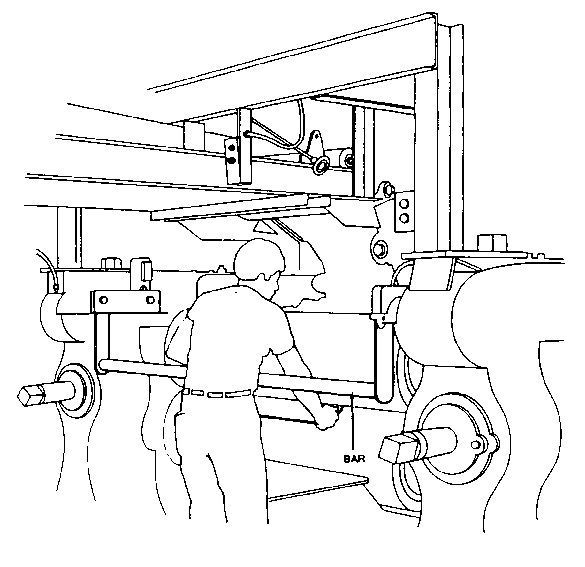
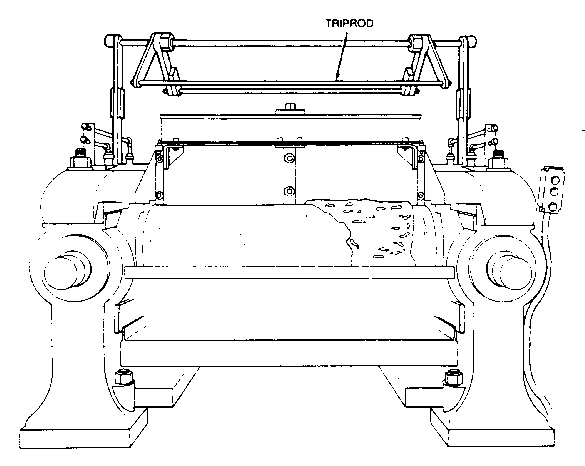
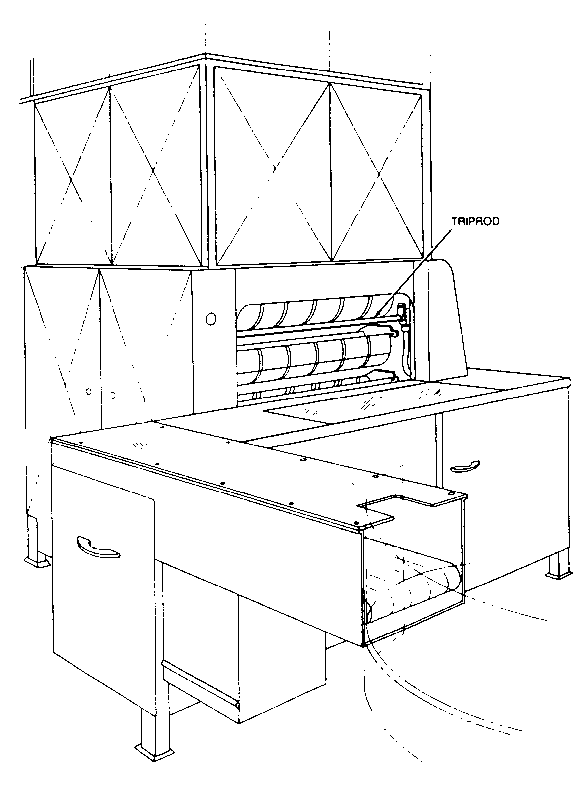
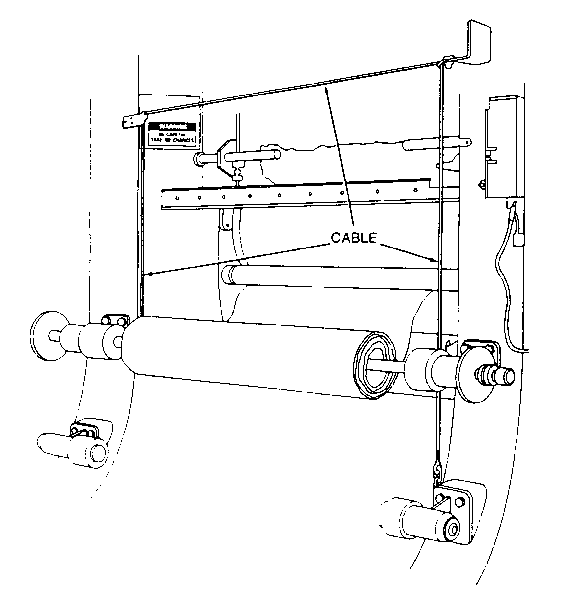
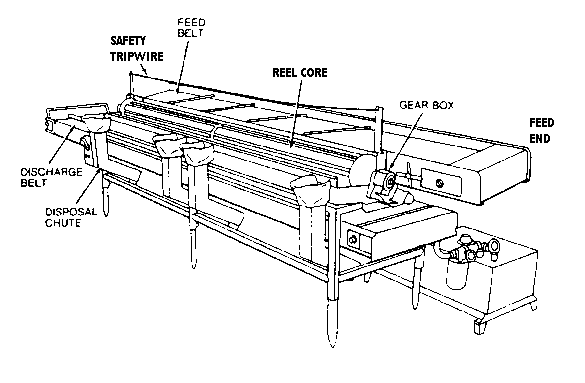
Safety trip controls:
Pressure-sensitive body bar
Safety triprod
Safety tripwire |
Stops machine when tripped |
Simplicity of use |
All controls must be manually activated
May be difficult to activate controls because of their location
Only protects the operator
May require special fixtures to hold work
May require a machine brake |
|
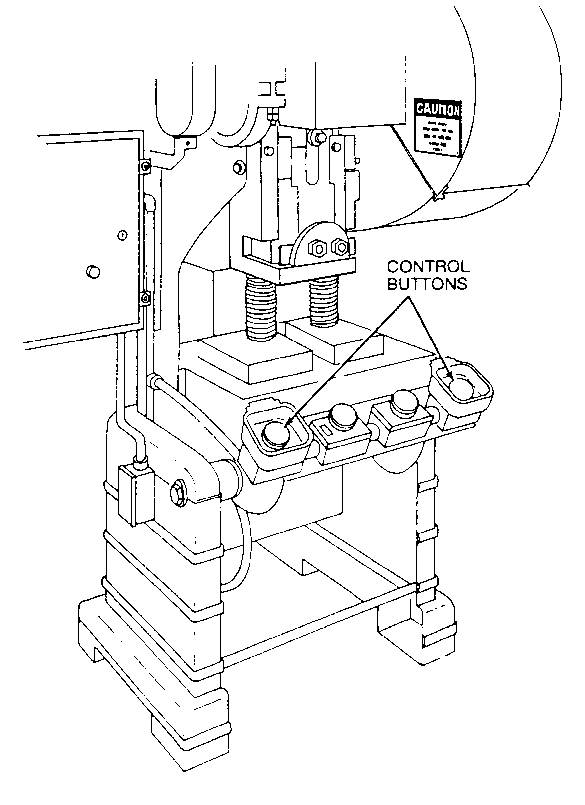
| Two-hand control |
Concurrent use of both hands is required, preventing the operator from entering the danger area |
Operator's hands are at a pre- determined location
Operator's hands are free to pick up a new part after first half of cycle is completed |
Requires a partial cycle machine with a brake
Some two-handed controls can be rendered unsafe by holding with arm or blocking, thereby
permitting one-hand operation
Protects only the operator |
|
| Two-hand trip |
Concurrent use of two hands on separate controls prevents hands from being in danger area when
machine cycle starts |
Operator's hands are away from danger area
Can be adapted to multiple operations
No obstruction to hand feeding
Does not require adjustment for each operation |
Operator may try to reach into danger area after tripping machine
Some trips can be rendered unsafe by holding with arm or blocking, thereby permitting one-hand operation
Protects only the operator
May require special fixtures |
|
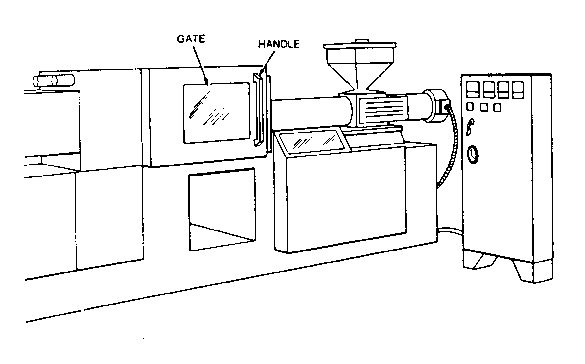
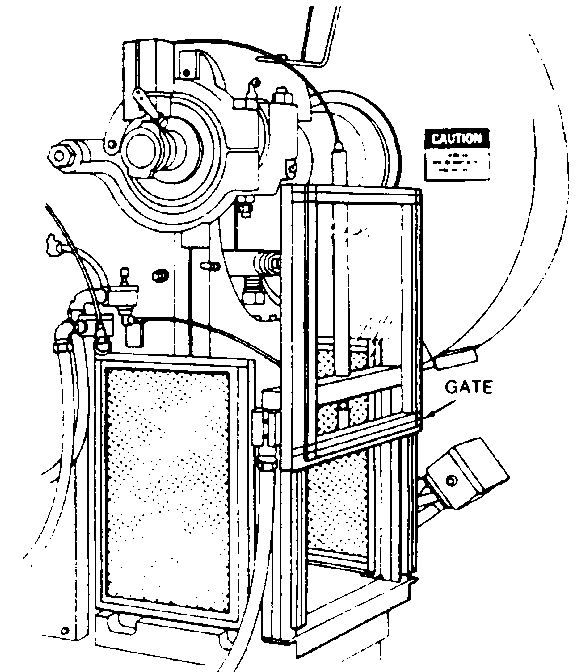
| Gate |
Provides a barrier between danger area and operator or other personnel |
Can prevent reaching into or walking into the danger area |
May require frequent inspection and regular maintenance
May interfere with operator's ability to see the work |
| Method |
Safeguarding Action |
Advantages |
Limitations |
|
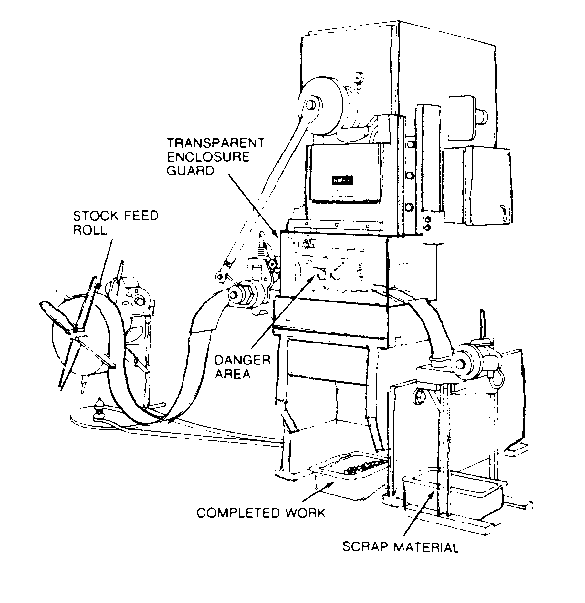
| Automatic Feed |
Stock is fed from rolls, indexed by machine mechanism, etc. |
Eliminates the need for operator involvement in the danger area |
Other guards are also required for operator protection -- usually fixed barrier guards
Requires frequent maintenance
May not be adaptable to stock variation |
|
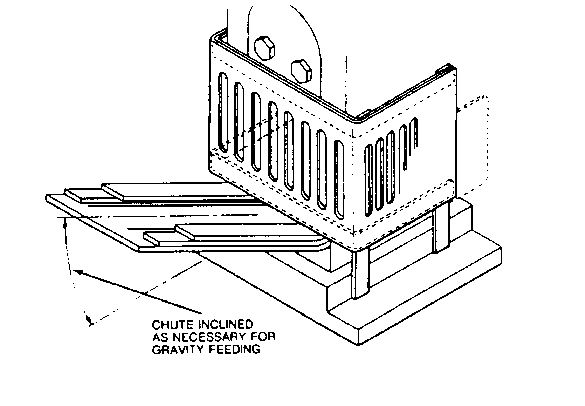
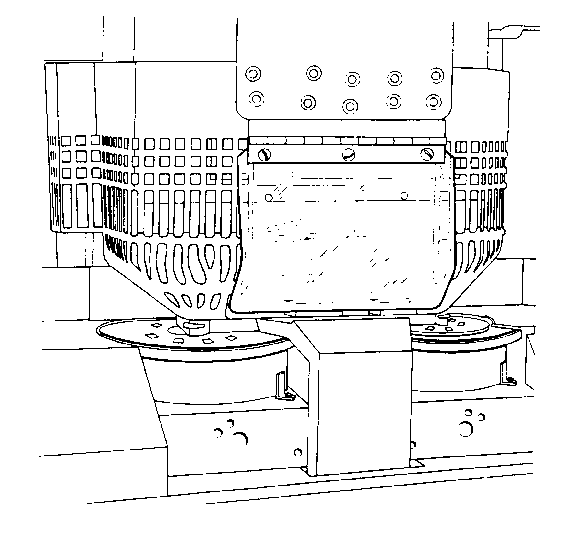
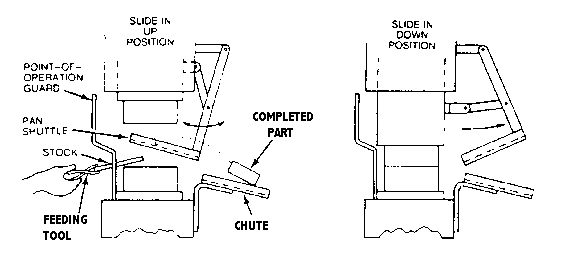
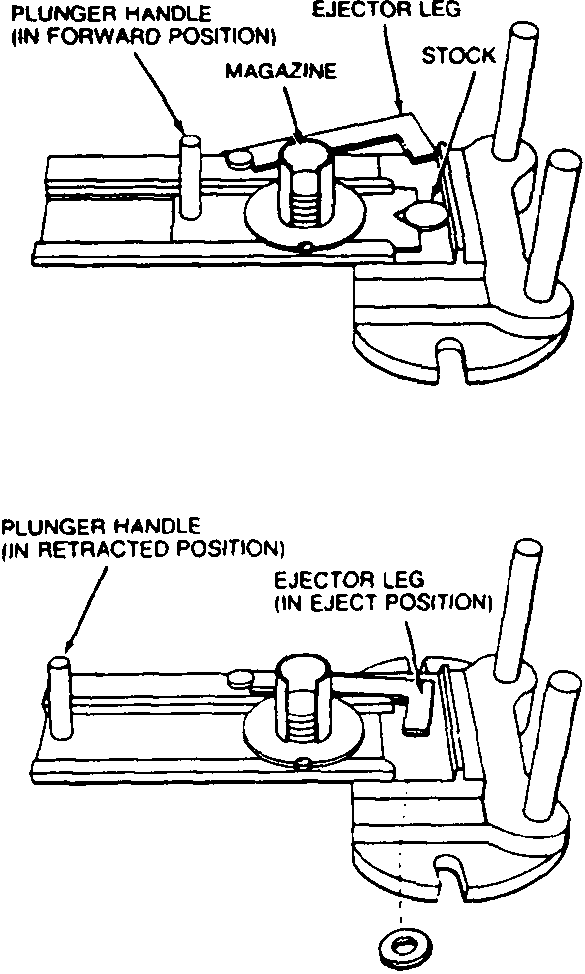
| Semiautomatic Feed |
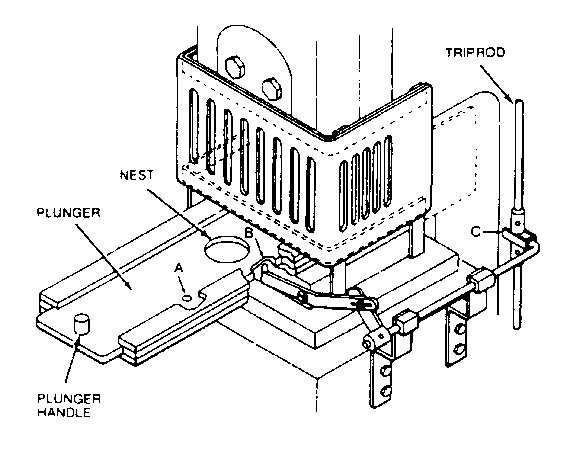
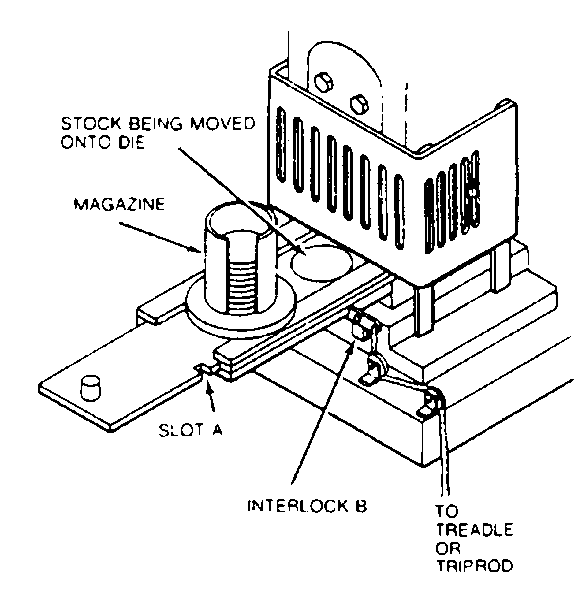
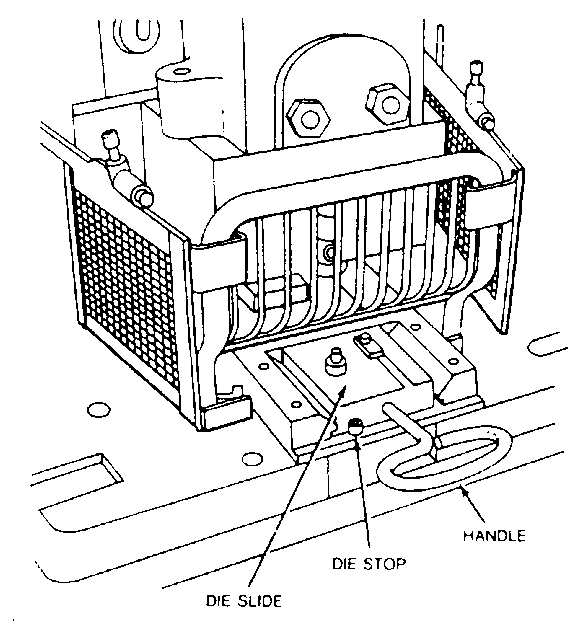
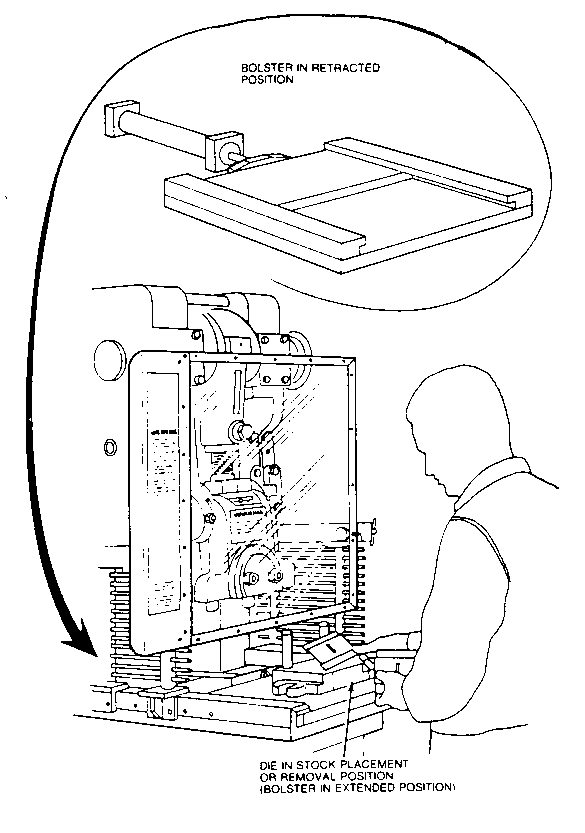
Stock is fed by chutes, movable dies, dial feed, plungers, or sliding bolster |
|
|
|
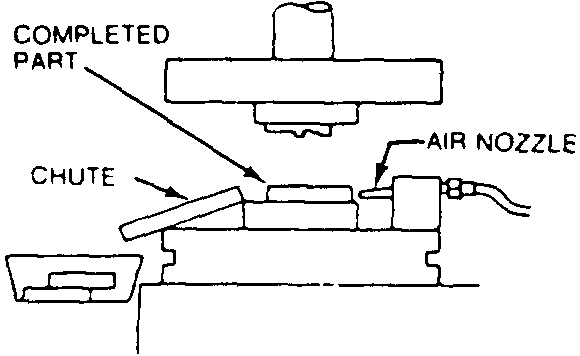
| Automatic Ejection |
Work pieces are ejected by air or mechanical means |
|
May create a hazard of blowing chips or debris
Size of stock limits the use of this method
Air ejection may present a noise hazard |
|
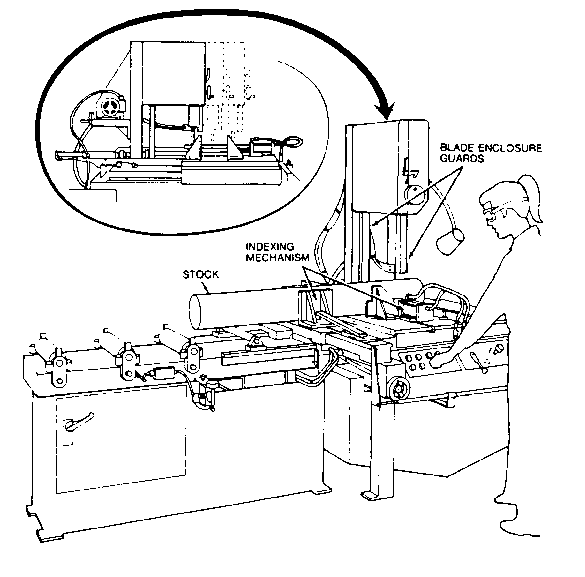
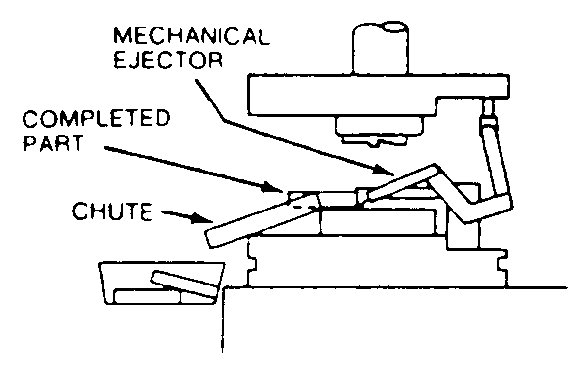
| Semiautomatic Ejection |
Work pieces are ejected by mechanical means which are initiated by the operator |
Operator does not have to enter danger area to remove finished work |
Other guards are required for operator protection
May not be adaptable to stock variation |
|
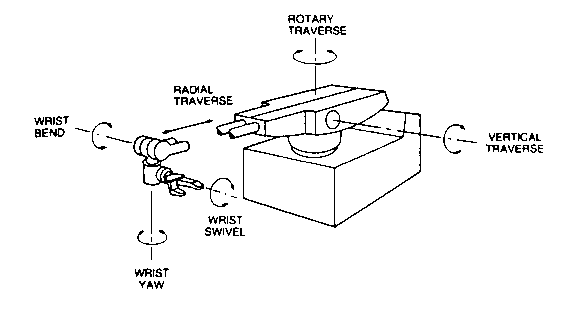
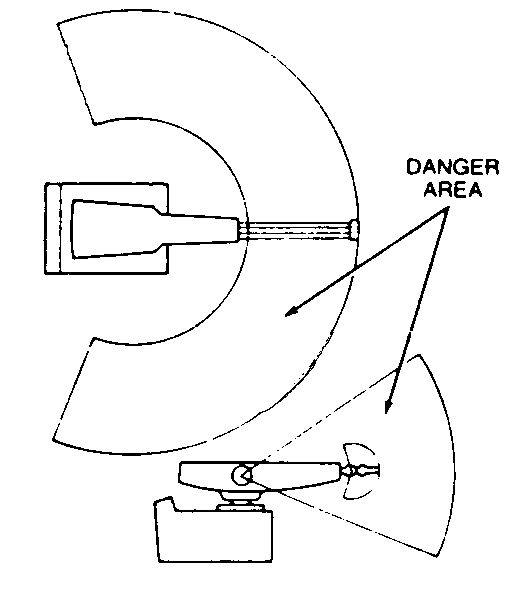
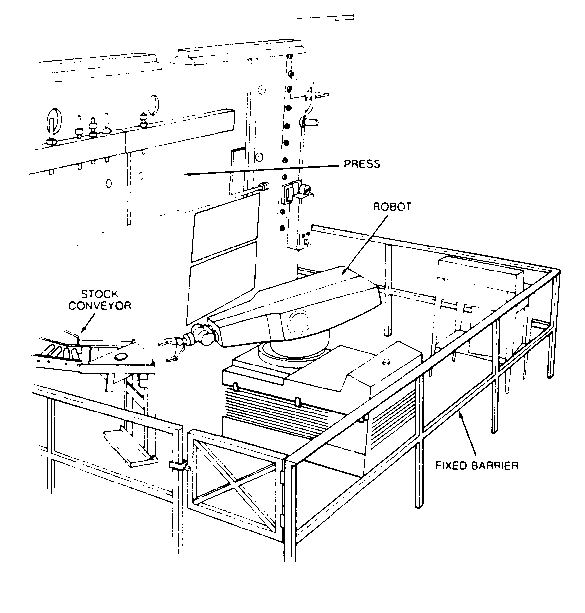
| Robots |
They perform work usually done by operator |
Operator does not have to enter danger area
Are suitable for operations where high stress factors are present, such as heat and noise |
Can create hazards themselves
Require maximum maintenance
Are suitable only to specific operations |
 Chapter 3