A visual inspection of both the space to be worked in and the adjacent
spaces is necessary before starting any work activity. [29 CFR 1915.12(a), (b), and (c)]
Adequate correction of any problems found must be completed before beginning any work.
| Visual Inspection |
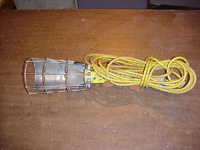
Figure 1: Standard drop light.
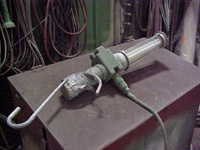
Figure 2: Explosion-proof area lamp.
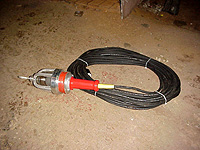
Figure 3: Explosion-proof drop light.
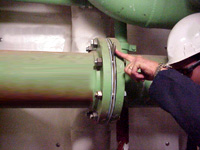
Figure 4: Marine Chemist verifies that
piping is secured.
Figure 5: Adjacent spaces.
This inspection should evaluate that at
least the following actions have occurred:
- Provide ladders or other suitable means to allow safe entry to and exit
from a
space. [29 CFR 1915.72 and
29 CFR 1915.76]
- Determine whether coatings and residues in the space may create
hazardous atmospheres under work conditions.
- Ensure that spaces and adjacent spaces that contain or have contained liquids, gases, or
solids that are toxic, corrosive, or irritating in nature have been visually inspected and
tested before initial entry [29 CFR 1915.12]. Ensure appropriate action has been taken to
make the space safe before entry.
-
Provide adequate illumination appropriate for present conditions and safe work performance in the
space. [29 CFR 1915.12(b)]
Explosion-proof lights may also be required.
[29 CFR 1915.13(b)(9)]
(See Figure 1, 2, and 3.)
-
Maintain good housekeeping conditions at all times.
[29 CFR 1915.91]
- Guarding of Deck Openings and Edges
- Guard deck openings and edges inside the spaces, as well as on the
weather deck,
must be guarded. [29 CFR 1915.73(b)]
- Guard flush manholes and other small openings
immediately after opening. [29 CFR 1915.73(b)]
- Provide fall protection during the installation of guards on large openings and deck
edges in accordance with 29 CFR 1915.159.
- Guard the openings when floor plates or gratings in bilges are
removed. [29 CFR 1915.73(f)]
- Provide adequate illumination appropriate for present conditions and safe work performance in the space. [29 CFR 1915.12(b) and 29 CFR 1915.92(a)] Explosion-proof lights may also be required. [29 CFR 1915.13(b)(9)] (See Figure 1, 2, and 3.)
- Provide alternative illumination in the event of power failure of temporary
lighting. [29 CFR 1915.92(d)]
- Disconnect, blank off, or otherwise block by positive method pipelines
that could carry hazardous materials into the space while workers are present. [29 CFR 1915.15(a)]
(See Figure 4.)
- Evaluate adjacent spaces or work being carried out in adjacent
spaces to ensure that no hazardous conditions may be created for
personnel working in subject space. [29 CFR 1915.12(a),
(b), and
(c)]
(See Figure 5.)
 Back to Top Back to Top |
|
