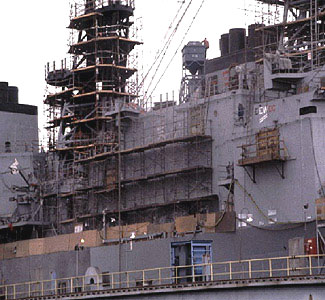
Figure 1: Scaffolding on side of ship to be used while working aloft.
Working surfaces such as decks, and gangways include locations such as boilers and firebox floors, aloft, restricted quarters, and small boats.
| Working Surfaces |
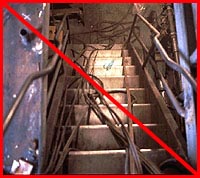
Figure 2: Improper practice - Workers exposed to tripping hazards due to poor housekeeping.
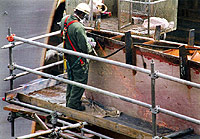
Figure 3: Worker grinding while protected by proper guardrail,
mid-rail, and toeboard.
Potential Hazards:
Primary hazards are:
- Falls to solid surfaces
- Falls into water
- Falls due to limited visibility
Requirements and Example Solutions:
- When working in fireboxes where tripping hazards are present, temporary decking must
be provided. [29 CFR 1915.77(b)]
- When working more than 5 feet above solid surfaces [29 CFR 1915.77(c)]:
- Scaffolds or ladder must be used to afford safe footing, or
- Guardrails or safety belts such as harnesses with lanyards must
be used.
- Employees visually restricted by blasting hoods, welding helmets, and burning goggles must work from scaffolds, not
from ladders, except for the initial and final welding or burning operation.
[29 CFR 1915.77(c)]
- Adequate work platforms must be used when working in restricted areas such as behind boilers,
or in between congested machinery units and piping.
[29 CFR 1915.77(d)]
- Personal flotation devices must be used when boarding, leaving, or working from small boats or
floats. [29 CFR 1915.77(e) and
29 CFR 1915.158(a)]
- Good housekeeping must be maintained at all times. [29 CFR 1915.91]
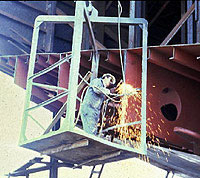
Figure 4: Burner working from
suspended man basket.
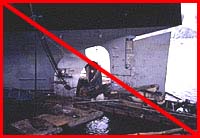
Figure 5: Improper practice - Workers
on small float must wear PFD.
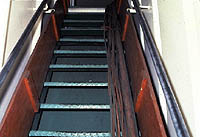
Figure 6: Ships stairs with hoses and lines neatly placed to one side.
 Back to Top Back to Top |
|