|
General Requirements
» Pressure Vessels, Drums and Containers |
|
Worker injuries can be caused by the rupture of vessels under pressure.
Precautions must be taken to prevent over-pressurization and the vessels
must meet the American Society of Mechanical Engineers (ASME) guidelines
of design and construction. [29 CFR 1915.172]
Note: Confined space entry is one of the leading
hazards associated with barge cleaning. Review
Ship Repair: Confined or Enclosed Spaces and Other Dangerous Atmospheres
for information on how to protect workers from this hazard.
| Portable
Air Receivers and Other Unfired Pressure Vessels |
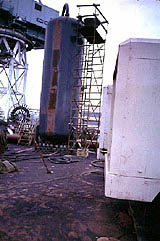
Figure 1: Abrasive blasting pressure vessel.
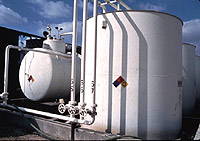
Figure 2: Pressurized tanks with relief valve.
Worker injuries from flying debris or
fluids may be caused from rupturing pressure vessels such as:
- Abrasive blasting hoppers
- Air compressor holding tanks
- Air receivers
- Air surge tanks
- Paint pots
- Pressurized water tanks
Requirements and Example Solutions:
-
Portable, unfired pressure vessels must be designed and constructed to meet
ASME Boiler and
Pressure Vessel Code. Hydrostatic testing must be conducted and a
record maintained. [29 CFR 1915.172(a),
(b), and
(d)]
Relief valves must be set to the safe working pressure. [29 CFR 1915.172(c)]
 Back to Top Back to Top |
| Drums and Containers |
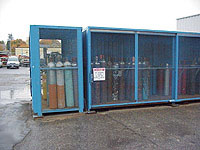
Figure 3: Proper storage of compressed gas cylinders.
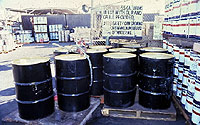
Figure 4: Safe storage of flammable and toxic chemicals.
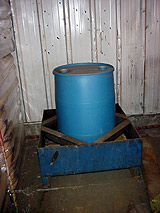
Figure 5: Storage of 55 gallon drum in pan to contain leaks.
Potential Hazards:
Worker injuries from flying debris, fluids, and fire and
explosions may be caused from rupturing drums or containers.
Requirements and Example Solutions:
-
Shipping drums and containers must not be
pressurized to remove their contents. [29 CFR 1915.173(a)]
-
Temporary pressurized piping systems conveying hazardous liquids or
gases must be provided with a relief
valve and bypass to prevent rupture. [29 CFR 1915.173(b)]
-
Pressure vessels, drums, and containers containing
toxic or flammable liquids or gases must not be stored or used near
ignition or heat sources. [29 CFR 1915.173(c)]
-
Pressure vessels, drums, and containers containing flammable or toxic liquids or gases
must be stored in safe areas to prevent physical damage. [29 CFR 1915.173(d)]
-
Containers of 55 gallons or more containing
flammable or toxic liquid must be protected by dikes or pans. [29 CFR 1915.173(e)]
-
Fire extinguishers adequate in number and suitable
for the hazard must be provided. [29 CFR 1915.173(f)]
Back to Top |
|
|
|