
Subpart F | General Working Conditions in Shipyard Employment - Motor-Vehicle Safety Equipment, Operation and Maintenance
This fact sheet describes the motor-vehicle safety equipment, operation and maintenance requirements of subpart F - General Working Conditions in Shipyard Employment, as specified in 29 CFR 1915.93. These provisions are effective August 1, 2011.
Shipyards allow motor vehicles, pedestrians, and sometimes bicycles to share the same areas due to the size and layout of their facilities. This arrangement may cause difficulties for protecting workers while they are moving around the shipyard. While most states currently have seatbelt laws, those laws do not extend to private property. Motor vehicles include any motor-driven vehicle operated by an employee to transport employees, materials, or property. These vehicles include passenger cars, light trucks, vans, motorcycles, all-terrain vehicles, small utility trucks, powered industrial trucks, and other, similar, vehicles.
Motor Vehicle Safety Equipment
Motor-vehicle safety equipment refers to the systems and devices installed for the safe operation of vehicles. These items include safety belts, airbags, headlights, tail lights, windshield wipers, emergency/hazard lights, brakes, horns, mirrors, locks, defrosters, and windshields.
- Motor-vehicle safety equipment must not be removed from any employer-provided vehicle unless the employer replaces the equipment that was removed.
- Each vehicle acquired, or initially used after August 1, 2011 must be equipped with safety belts.
- Each employee must use a seat belt that is fastened securely and tightly.
- Each employee must have a firmly secured seat and must use that seat when being transported.
- Motor vehicles must be maintained in a serviceable and safe condition, or must be removed from service.
- All tools or materials being transported must be secured if they could injure an employee due to movement.
Pedestrian and Bicyclist Safety
For those shipyards that have motor vehicle traffic intermingled with pedestrians and/or bicyclists, employers must take action that will ensure that motor vehicle operators are able to see and avoid harming those workers. Measures that an employer may implement include:
- Creating dedicated travel lanes for motor vehicles, pedestrians, and bicyclists.
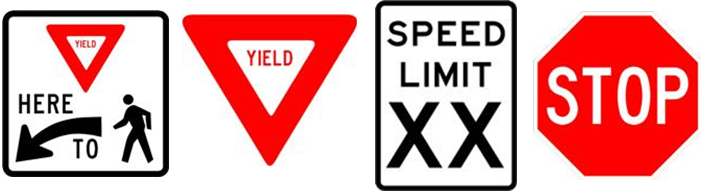
- Installing crosswalks and traffic control devices, such as stop signs, mirrors at blind spots, or physical barriers to separate travel lanes.
- Establishing speed limits appropriate for the shipyard for all motor vehicles.
- Instituting "no drive" times so pedestrians can move around safely.
- Providing reflective vests to workers so those walking or riding a bike are visible.
- Ensuring that bicycles have reflectors, lights, or other equipment so they are visible.
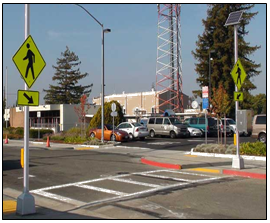
Figure 1. Established crosswalks, traffic signs, and traffic control devices.
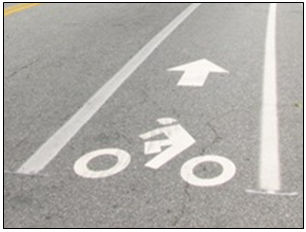
Figure 2. A dedicated bicycle travel lane.
Additional Information
Motor Vehicle Safety (PDF*)