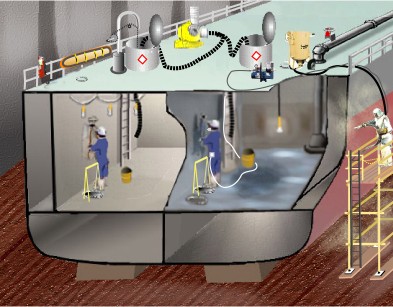
Figure 1: Illustrates a "safe" set-up for painting where PPE is required.
OSHA hierarchy of controls is:
-
Engineering Controls
-
Administration Controls
-
Personal Protective Equipment
Painting operations require preplanning and evaluation of the
area for potential hazards before work is begun. Usually, a Shipyard
Competent Person (SCP), Certified Industrial Hygienist (CIH), or Certified
Marine Chemist (CMC) are needed to assist with the hazard evaluation and
selection of PPE. Additional hazards exist when work is done in enclosed
or confined spaces. (See
Confined or Enclosed
Space).
Painting operations present a variety of hazards associated with the
application of paints and other coatings. In addition to skin absorption and
inhalation of toxic chemicals, fire and explosion hazards are of primary
concern. PPE must be
used if adequate engineering and administrative controls are not feasible means to
control potential hazards.
Typical painting operations include:
Each of these painting operations may present unique hazards. Therefore, a
qualified person must select PPE based on the specific operation and chemicals
used. Use of appropriate combinations of the following PPE will provide adequate
protection:
Review the
General
Shipyard Worker PPE before
proceeding with this section.
| Spray Application |
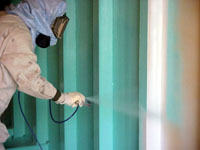
Figure 2: Spraying painting in enclosed space.
PPE is required when performing spray applications and
must provide protection from exposure to liquids, vapors, or mists that present
inhalation, skin contact or absorption hazards. Care should be taken in the
selection of the protective clothing fabric to ensure protection against the
solvents or solids. In addition, consideration should be given to the potential
for exposure to paint components (such as epoxies, isocyanates) that may cause severe allergic
reaction. Because many paints are highly flammable, special precautions may be
necessary to minimize fire and explosion hazards.
Note: During these operations it is important to have an emergency eye and
body flushing station.
 Back to Top Back to Top |
| Hand Application (such as with a
roller or brush) |
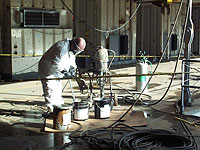
Figure 3: Worker mixing paint before application.
PPE is required when performing hand application and must
provide protection from exposure to liquids or vapors which present inhalation,
skin contact, or absorption hazards. Care should be taken in the selection of
the protective clothing fabric to ensure protection against the solvents or
solids. In addition, consideration should be given to the potential for exposure
to paint components (such as, epoxies, isocyanates) that may cause severe allergic reaction.
Because many paints are highly flammable, special precautions may be necessary
to minimize fire and explosion hazards.
Note: During these operations, it is important to have an emergency eye and
body flushing station.
Back to Top |
| Chemical
Protective Suit with Hood |

Figure 4: Painter with chemical protective suit with
hood.
- Chemical absorption due to skin exposure to solvents
and paints
- Static electricity as a source of ignition produced
while working in protective clothing and boots
- Heat-related illnesses due to a combination of PPE
use, heat-producing equipment, work activity, and
environmental conditions. See
Painting: Work
Environmental Temperature-Related Hazards
Requirements and Example Solutions:
- PPE should provide skin protection from toxic
paints and solvents that may be spilled, sprayed, or
splashed during their
use.
- Attached hoods should
be used and when there is head or neck exposure.
- When respirators are used, hoods should be tightened over the
respirator to prevent interference with the face
seal and allow proper removal of gear.
- Heat stress programs should be used.
- When flammable solvents are used in painting, non-static discharge
producing outer clothing must be used. [29 CFR 1915.35(b)(9)]
For more detailed information,
review
Hand
and Body Protection.
Back to Top |
| Respiratory Protection |
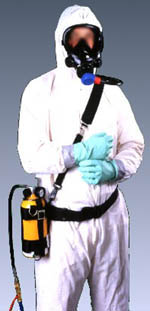
Figure 5: Air-line respirator.
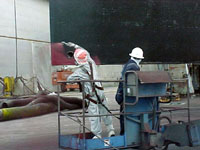
Figure 6: Painter with air-purifying respirator.
Potential Hazards:
- Worker inhalation exposure to toxic paints or
solvents
- Exposure to oxygen-deficient atmospheres
Requirements and Example Solutions:
- Respirators protect the lungs and upper respiratory
track from mists, fumes, and vapors associated with the paints and solvents.
- Workers spray painting in confined spaces must be protected by
airline respirator. [29 CFR 1915.35(a)(1)]
- Workers spray painting in enclosed spaces must be protected by
air-line respirators unless ventilation is adequate enough to reduce
atmospheric concentrations. If so, air-purifying respirators can be
used. [29 CFR 1915.35(a)(1)(ii)]
- All workers continuously in a compartment where spray painting is
being performed must be protected by air-line respirators. Workers in
the compartment for a short duration may wear air-purifying
respirators. [29 CFR 1915.35(b)(13)]
- Workers brush painting in confined spaces without adequate
ventilation must wear air-purifying respirators. [29 CFR 1915.35(a)(2)]
Note: If
highly volatile, toxic materials are applied, proper respiratory
protection may be the same as that for the spraying material (aerosol
carrier). Personal air sampling will determine the type of respiratory
protection required.
For more detailed
information, review
Respiratory
Protection.
Back to Top |
| Foot Protection |
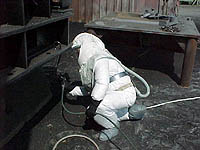 Figure 7: Painter with protective suit and boot
covers.
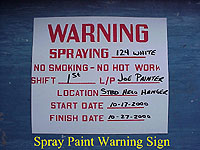
Figure 8: Spray paint
warning sign.
- Paint injection due to high-pressure equipment
- Static electricity as a source of ignition produced
while working in protective clothing and boots
- Chemical absorption due to skin
exposure to toxic paints and solvents
Requirements and Example Solutions:
- Boots (for example chemical resistant, or
waterproof) should provide skin protection from toxic paints or solvents that may be
spilled, sprayed, or splashed during their
use.
- If flammable solvents are involved in the operation, non-static discharge
producing shoes/boots and shoe covers must be used. [29 CFR 1915.35(b)(9)]
- Boots should be worn with the legs of the protective clothing
over them to prevent liquids from entering the
boots.
- Protective impermeable
covers should be used over the shoes/boots when shoes/boots are not liquid proof.
- Slip-resistant soled boots should be worn when
working on slippery surfaces.
For more detailed
information, review Foot Protection.
Back to Top |
| Hand
Protection (e.g., Gloves) |
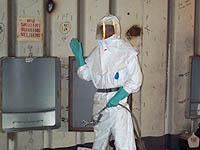
Figure 9: Worker painting with chemical-resistant
gloves.
- Chemical absorption due to skin exposure to toxic
paints or solvents.
- Static electricity as a source of ignition produced
while working in gloves.
Requirements and Example Solutions:
- PPE should provide skin protection from:
- Toxic paints or solvents that may be
spilled, sprayed or splashed during their
use
- Paint injection during high-pressure spraying
- Gloves should be sealed to the protective
clothing to prevent liquids from entering
the glove.
- For specific operations, inner gloves may be required.
- Gloves should be under the sleeves of the
protective clothing or sealed to them with tape.
- If flammable solvents are involved in the operation, non- static discharge
producing gloves must be used. [29 CFR 1915.35(b)(9)]
For more detailed information,
review
Hand
and Body Protection.
Back to Top |
|