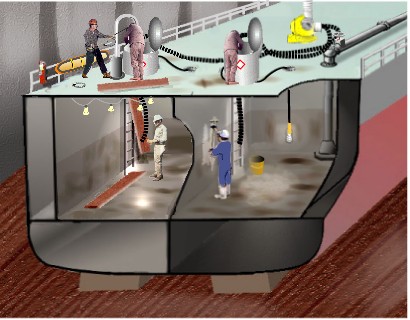
Figure 1: A "safe" set-up for cold work
After the spaces are evaluated by the Shipyard Competent
Person (SCP), Certified Marine Chemist (CMC), or Certified Industrial
Hygienist (CIH), decisions must be made that determine the personnel, equipment, and materials required for the cleaning and cold work. In
addition, a hazard assessment must be conducted for selecting appropriate PPE.
[29 CFR 1915.152(b)]
Cleaning and cold work exposes workers to potentially hazardous atmospheres, as well as the following hazards:
| Fire and Explosion Hazards |
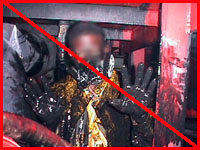
Figure 2: Improper practice - Worker covered with flammable oil.
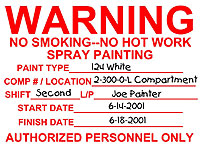
Figure 3: Warning Sign is posted to alert workers of the fire and explosion hazard of painting.
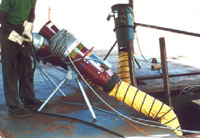
Figure 4: Ventilation equipment used to maintain safe conditions for entry.
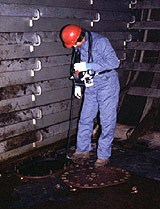
Figure 5: Worker testing space to see that safe conditions are maintained during cleaning.
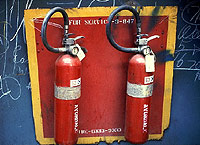
Figure 6: Fire extinguishers located near cleaning operations.
Potential Hazards:
Fire and explosions may be caused by:
- Flammable and combustible cleaning
solvents such as Methyl Ethyl
Ketone (MEK), mineral spirits, and diesel fuel/oil
- Liquids with high flash points
(greater than 100º F) applied as a fine mist
- Airborne particulate or dust
- Hydrogen gas generated during cleaning processes
- Reactive cargos such as iron-ore, fertilizer, or incompatible
chemicals
- Painting. See Painting and Other Coatings [29 CFR 1915.35]
Requirements and Example Solutions:
When shipyard operations are capable of producing flammable/combustible atmospheres:
 Back to Top Back to Top |
| Respiratory Hazards |
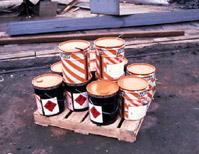
Figure 7: Containers of cleaning materials labeled with their hazards.
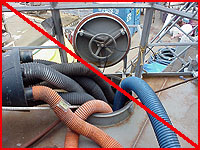
Figure 8: Improper practice - Ventilation hoses extending into confined space to ensure safe conditions.
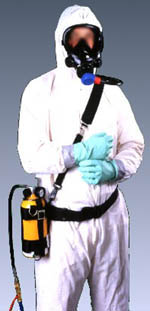
Figure 9: Worker wearing airline respirator with emergency escape air cylinder.
- Ensure adequate ventilation to maintain concentrations below the PEL.
[29 CFR 1915.32(a)(2)]
- The
Shipyard Competent Person (SCP) may require continual monitoring to
determine air concentrations are within the PELs and below IDLH
levels. If they are not, additional engineering controls such as ventilation, administrative controls, or PPE such as respirators must
be used. [29 CFR 1915.32(a)(3)]
- Airline respirators may be necessary if ventilation is not adequate.
- Respirators must comply with 29 CFR 1915.154.
[29 CFR 1910.134]
- A hazard assessment shall be made to determine the proper selection of respirators. [29 CFR 1915.152(b)]
Additional Resources:
Back to Top
|
| Corrosive and Toxic Materials |
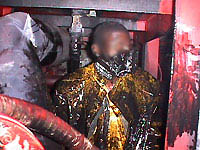
Figure 10: Worker exposed to skin and eye contact hazards from cleaners and residues.
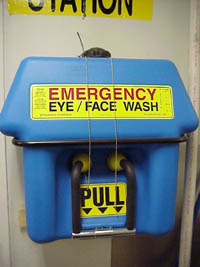
Figure 11: Emergency eye wash located near cleaning operations.
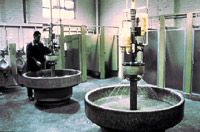
Figure 12: Washing facilities for workers.
Potential Hazards:
Employees working with toxic solvents are at risk if skin and eye contact occurs. Note: Workers should understand the hazards associated with the materials used and contained in the space. This includes training in accordance with the Hazard Communication Standard. [29 CFR 1915.1200]
Hazards include:
- Organ damage by absorption through skin or eye absorption
- Skin or eye irritation
- Defatting of skin
Requirements and Example Solutions:
Additional Resources
- Fixed or portable eye wash stations/safety showers
should meet ANSI Z358.1-1998: Emergency Eye Wash and Shower
Equipment.
Back to Top |
| Excessive Noise |
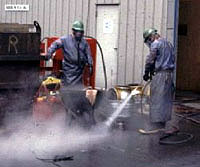
Figure 13: Workers exposed to noise from pressure washing.
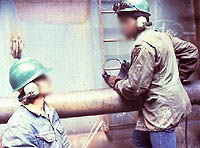
Figure 14: Workers wearing ear muffs for protection from excessive noise.
Use of high-pressure cleaning equipment may produce high levels of
noise, which could lead to hearing loss, and often necessitates a hearing
conservation program. An excessively loud operation is:
- Use of high-pressure water and steam guns
Requirements and Example Solutions:
Additional Resources:
Back to Top
|
| Biological Hazards |
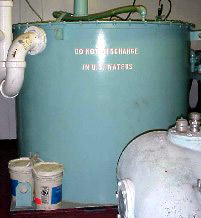
Figure 15: CHT tank poses hydrogen sulfide gas and other hazards.
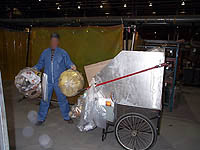
Figure 16: Worker removing trash from work area.
Figure 17: Washing station for workers.
Potential Hazards:
Some operations expose employees to biological hazards from sewage and human
waste, fungi and molds, and decomposing organic products.
- Collection, holding, and transfer (CHT) tanks, which workers are often required to enter and clean, may
contain dangerous, even fatal, levels of hydrogen sulfide or other
toxic gases, which are products of decomposing human waste.
- Toxic spores inhaled from fungi and molds growing on grain and
lumber may pose an inhalation hazard.
Requirements and Example Solutions:
- Employees shall be
trained to recognize the potential hazards, use proper work practices,
recognize adverse health effects, and understand the physical signs
and reactions related to exposures. They shall also be trained
to select and use appropriate PPE. [29 CFR 1915.12(d)(2)
and
29 CFR 1915.1200]
- Personal hygiene practices must be encouraged, such as: [29 CFR 1915.88]
- Decontamination (removal of biological matter from PPE and equipment)
- Showers (removal of biological matter from the worker) [29 CFR 1915.88(f)]
- Proper disposal of laundry/coveralls (prevention of exposure to others)
- The Maritime/Labor Industry recommends having a Bloodborne Pathogen program.
Additional Resources:
Back to Top |
| Limited Access |
Figure 18: Improper practice - Confined space access hole blocked by ventilation hoses.
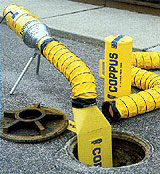
Figure 19: Flat ventilation hose used to
allow room for access.
Potential Hazards:
When working in confined or enclosed spaces workers may become trapped and
unable to exit due to:
- Improperly located equipment.
- Ventilation ducts and hoses running through the opening.
Requirements and Example Solutions:
- When employees work in confined spaces or enclosed spaces with limited access, the
access must not be blocked or impeded by ventilation ducts, hoses or
other equipment. [29 CFR 1915.76(b)(2)]
- More than one means of access must be provided where practical. [29 CFR 1915.76(b)(1)]
- Additional openings should be provided for ducts, hoses, and other equipment.
Back to Top |
| Slips and Trips |
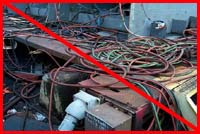
Figure 20: Improper practice - Hoses and welding leads present tripping
hazard.
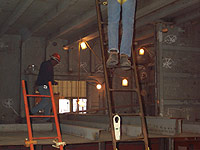
Figure 21: Temporary lighting reduces tripping hazards.
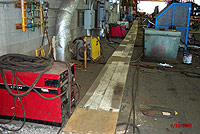
Figure 22: Tripping hazards eliminated by raised walkway.
Potential Hazards:
Workers performing surface preparation are exposed to slippery working surfaces and tripping hazards.
- Slipping off oily and greasy ladders
- Slipping and falling on oily decks.
- Tripping over equipment, hoses, and vessel structures.
Requirements and Example Solutions:
Back to Top |
| Fall Hazards |
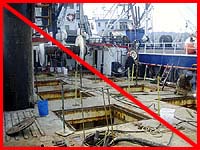
Figure 23: Deck openings and holes create a significant fall hazard.
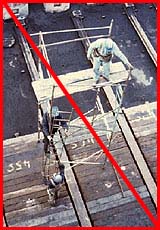
Figure 24: Improper practice - Workers exposed to falls
from ladder and scaffold.
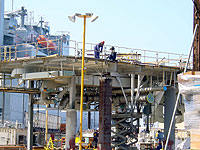
Figure 25: Workers protected at deck edge by guardrail.
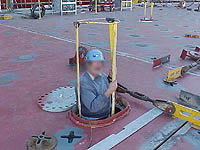
Figure 26: Deck opening protected with guard.
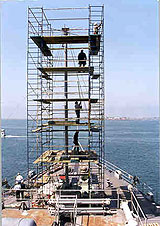
Figure 27: Workers protected from falls while erecting scaffold.
Potential Hazards:
Fall hazards are a leading cause of shipyard fatalities.
Shipyard employees are often required to work in dangerous
environments that may include fall hazards. Accidents involving
elevation equipment such as ladders, scaffolds, and aerial lifts are often serious,
even fatal.
High-Pressure Cleaning
- Surges from drops in pressure in the hose line may throw a
worker from the work surface
- Cleaning can create static electricity. This may shock the
worker and result in a fall
Deck Openings and Edges
- Falls from deck openings
- Falls into open holes
Scaffolds
- Falls from ladders
- Falls from scaffolds
Requirements and Example Solutions:
High-Pressure Cleaning
Guarding of Deck Openings and Edges
- Openings and deck edges must be guarded. [29 CFR 1915.73]
- Flush manholes and other small openings must be guarded after opening. [29 CFR 1915.73(b)]
- Fall protection (harness with lanyard) must be used during the installation of guards on large openings and deck
edges. [29 CFR 1915.73(d)]
- Openings must be guarded or planked when floor plates or gratings
(e.g. bilges, engine rooms,
pump rooms, machinery spaces) are removed. [29 CFR 1915.73(f)]
Fall Protection for Scaffold Work
- Guardrails or other appropriate fall protection must be
used when working on scaffolds 5 feet above surfaces. [29 CFR 1915.71(j)]
- Fall protection must be used during the installation of guards on
scaffolds. [29 CFR 1915.73(d)]
- Maritime Labor/Industry recommends that personal fall protection including
lanyards and harnesses be used and secured during installation
of guardrails as well as erection and dismantling of scaffolds.
Back to Top |
| Work Environment Temperature Related Hazards |
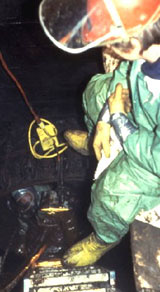
Figure 28: Workers in protective suits are at higher risk of heat stress.
Potential Hazards:
Extreme environmental hazards include temperature, humidity, and air movement within the work area. A combination of PPE
use, heat producing equipment, work activity, and environmental conditions
can cause temperature-related illnesses.
Heat related illnesses include:
- Heat Stress
- Heat Stroke
- Heat Cramps
- Dehydration
Cold related illnesses include:
Additional Resources:
- OSHA Technical Manual (OTM). OSHA Directive TED 01-00-015 [TED 1-0.15A], (1999, January 20). Identifies heat stress as part of the evaluation process in the following:
- Heat Stress. Contains useful sections on the signs and symptoms of heat stress, sampling methods, control suggestions, and guidelines for investigating heat stress in the workplace.
- Occupational Heat Exposure. OSHA
Safety and Health Topics Page.
Example Solutions:
The following are recommended for heat-related
illnesses:
- Plenty of fluids
- Frequent breaks
- Ice vest
- Shaded or cooled break areas
- Ventilation
- Awareness training
It is recommended that the following be implemented
to prevent cold related illnesses:
- Appropriate insulated PPE
- Warming areas for breaks
- Conduct awareness training
Back to Top |
| High-Pressure Hazards |
Figure 29: Workers exposed to hazards of high
pressure water.
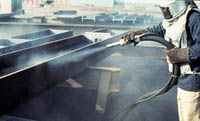
Figure 30: Worker protected by PPE from high pressure hazards.
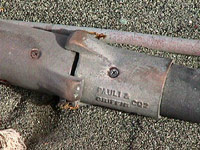
Figure 31: Hoses and connections should be inspected.
Potential Hazards:
The use of high pressure equipment may expose the operator and other workers to the following hazards:
-
Contact with high-pressure steam, water, or air streams from cleaning
equipment
-
Contact by uncontrolled high-pressure hoses
-
Contact with steam, water, or air leaks from high-pressure equipment
Injuries associated with these hazards include:
-
Loss of body parts such as fingers, hands, etc.
-
Lacerations
-
Burns
-
Loss of sight
Requirements and Example Solutions:
- Steam guns must be insulated to prevent heat burns to the
operator. [29 CFR 1915.33(e)]
- Appropriate PPE shall be used. [29 CFR 1915.152]
- Access to the area should be controlled.
- Hoses and connections should be inspected before use.
Back to Top |
| Electrical Hazards |
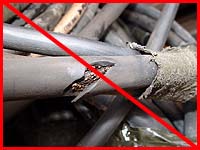
Figure 32: Improper practice - Damaged electrical cable poses shock hazard.
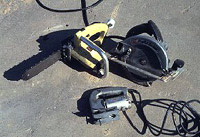
Figure 33: Portable power tools must be grounded or double insulated.
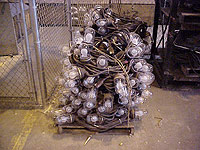
Figure 34: Temporary lights should be inspected before use.
Potential Hazards:
Employees who work with or around electrical equipment in wet or damp
locations have an increased risk of getting shocked or electrocuted
due to:
- Exposed energized electrical parts
- Open lighting parts
- Damaged insulation on power cords
Requirements and Example Solutions:
- Portable electrical tools must be grounded or double
insulated. [29 CFR 1915.132(a)]
- Temporary lighting must be grounded. [29 CFR 1915.92(c)]
- Power and lighting cables must be inspected by a person
competent to evaluate electrical hazards. (Note: This
is not the Shipyard Competent Person).
[29 CFR 1915.36(a)(5)]
- All electrical tools or equipment should undergo a visual
inspection prior to use.
- All portable electric hand tools and temporary lighting
systems should use Ground Fault Circuit Interrupters (GFCI).
- Electrical tools and equipment should correspond with the
requirements of the job.
- Electrical equipment and tools should be used with proper
circuit protection for the voltage and amperage used.
- Only qualified electricians should attempt repair of
electrical tools and equipment in use.
- A Ground Assurance Program should be in place for all
electrical tools and equipment used including:
- Records of tools inspected and repaired
- Records of electrical boxes inspected and repaired
- Records of electrical extension cords inspected and
repaired
- Recall of records of the above
- The requirements of the Ground Assurance Program should be performed on a
regular basis.
Back to Top |
|